Leadership
RareKids-CAN’s leadership structure brings together scientific, operational, and clinical expertise from across Canada to guide the network’s strategic direction, oversee key initiatives, and support the successful delivery of pediatric rare disease clinical trials. Together, our leadership teams ensure collaboration, accountability, and excellence across every aspect of the network.





Meet our experts
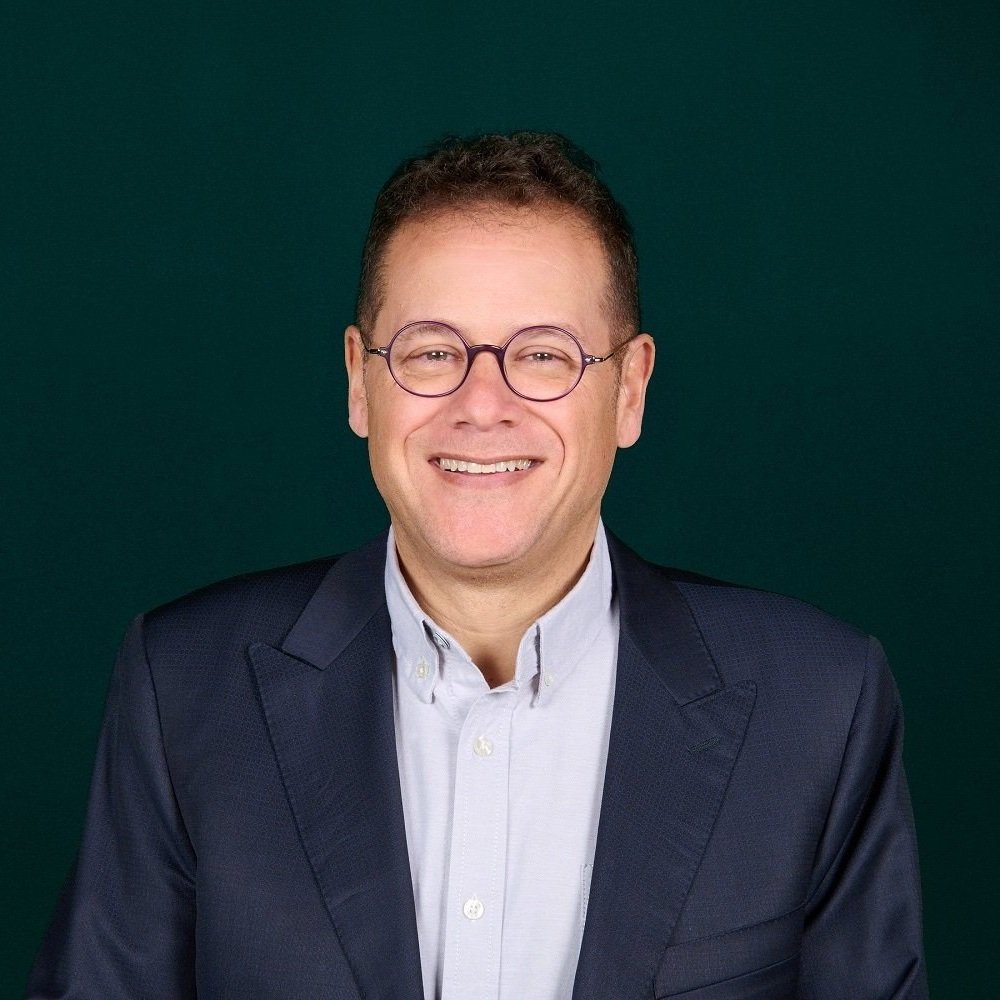
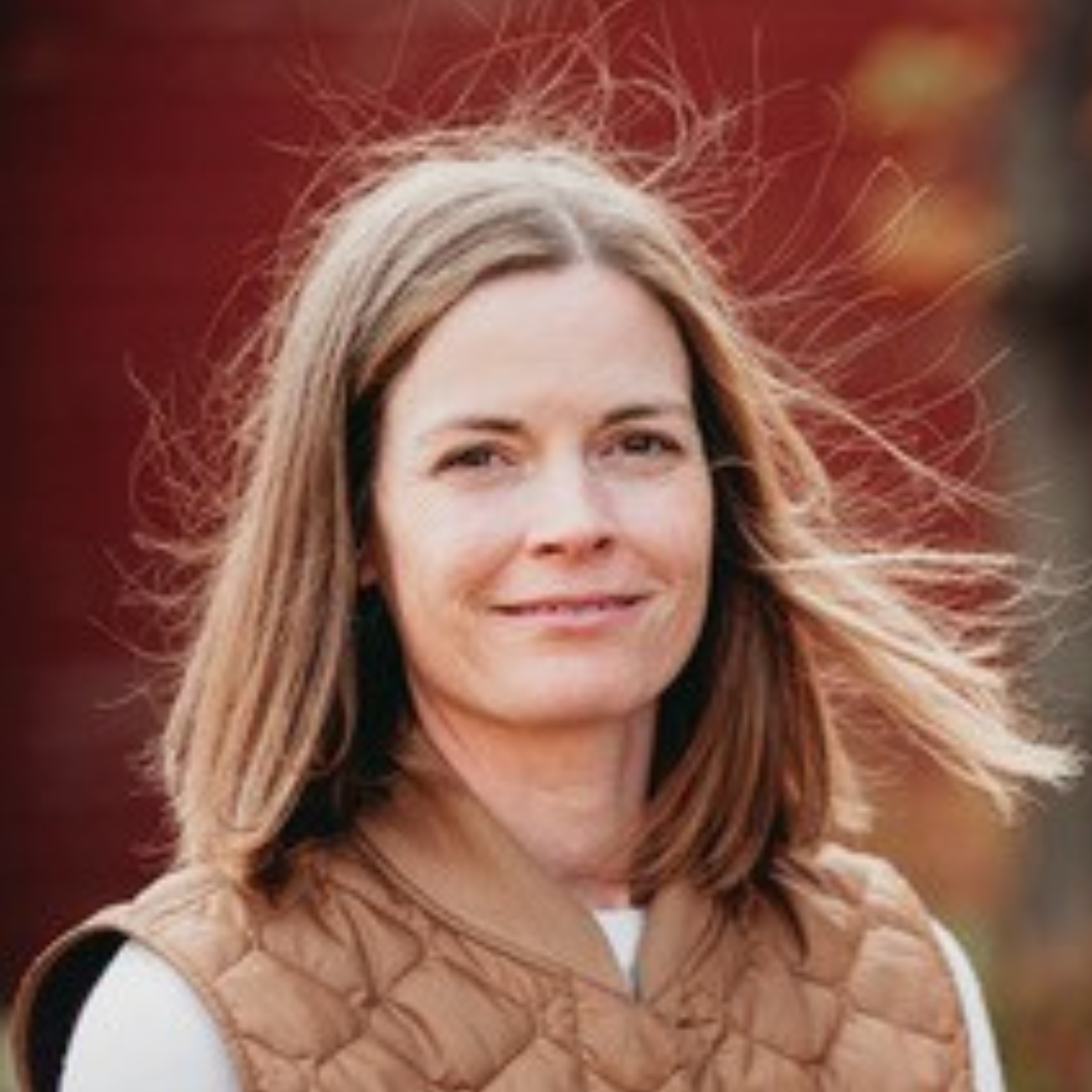
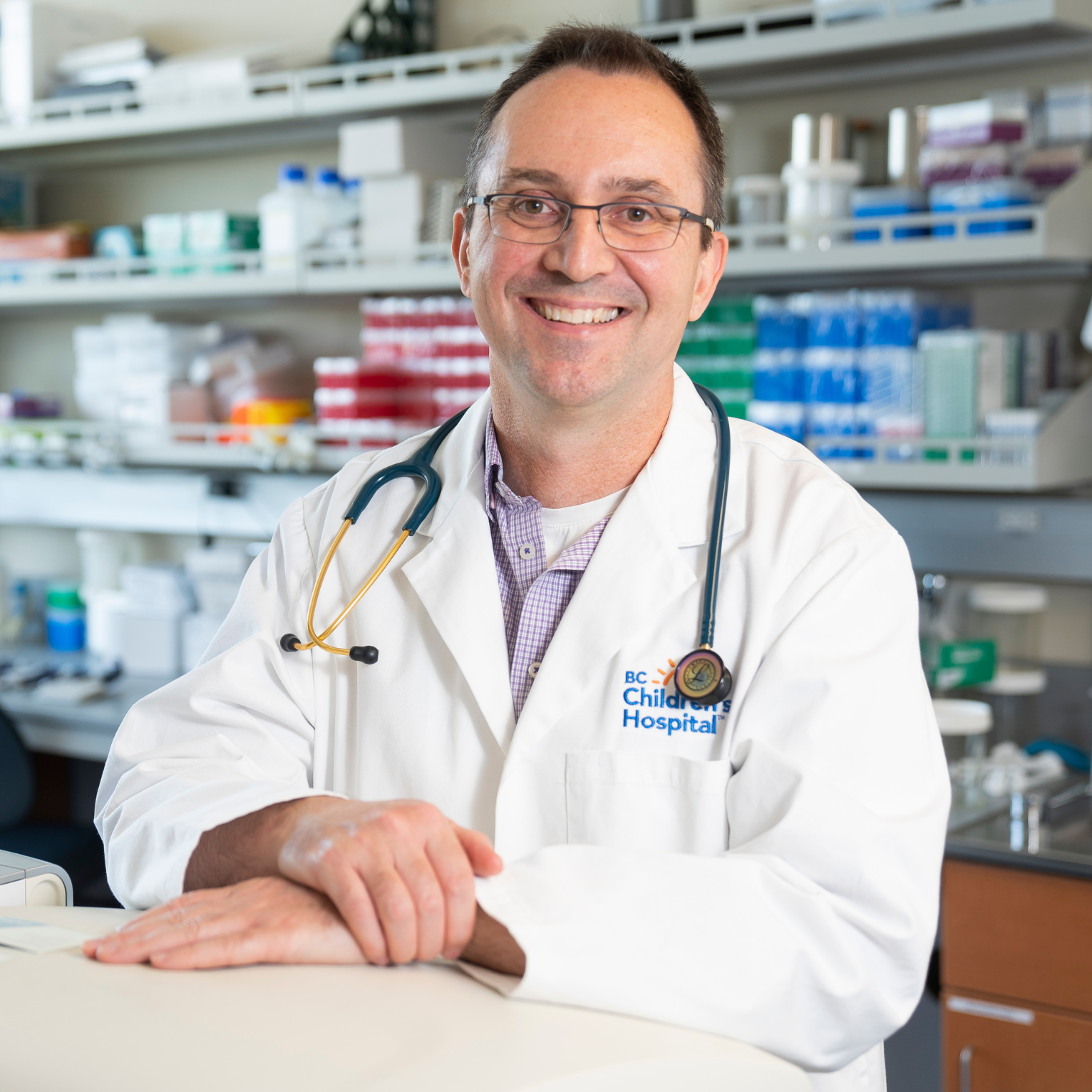
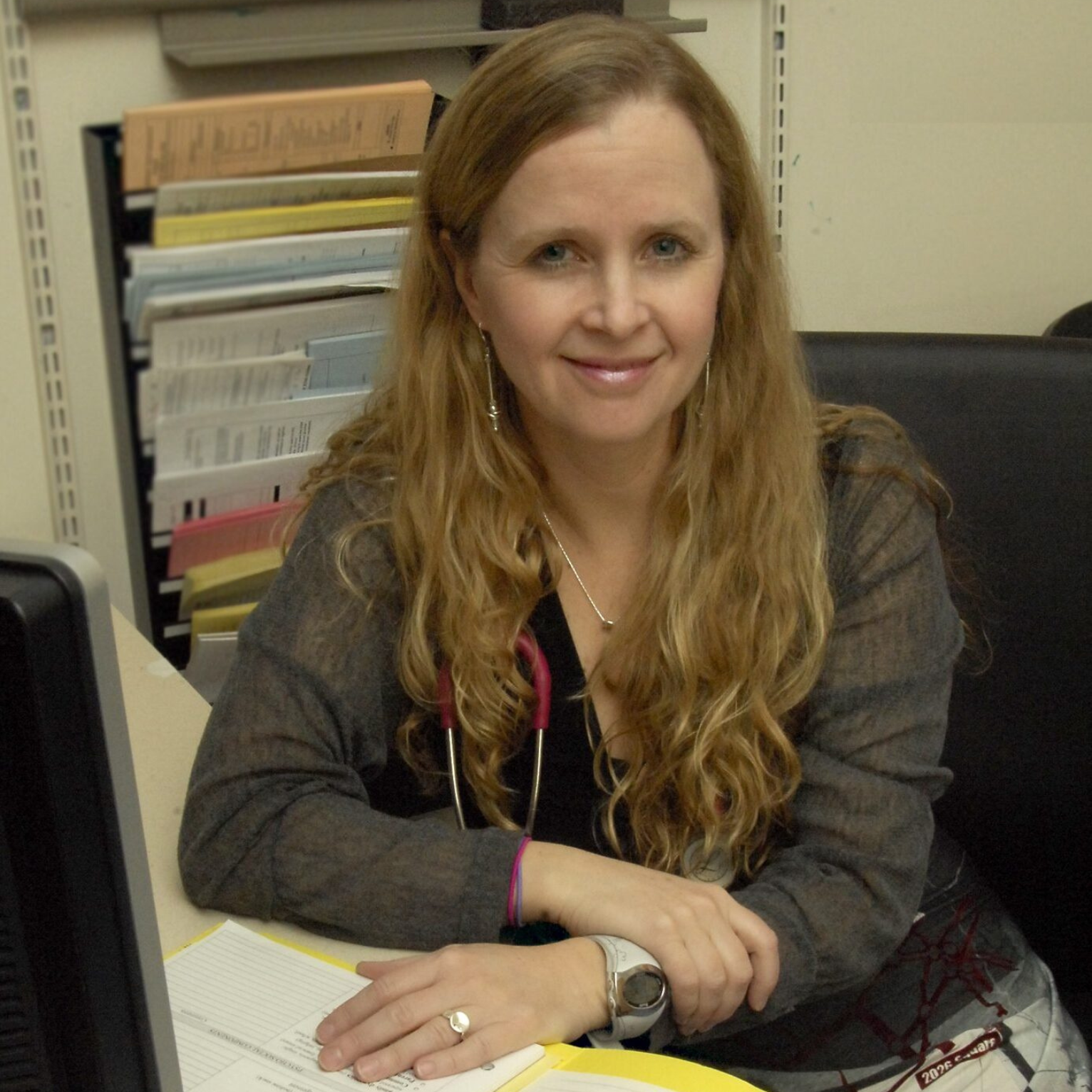
RareKids-CAN’s strategic priorities are advanced through our range of expertise. Each team is led or co-led by experienced experts who champion activities within their area of expertise and work alongside multidisciplinary teams to translate RareKids-CAN’s strategic priorities into action. Together, these teams develop, implement, and deliver the initiatives, resources, and services that advance the network’s goals across Canada.
Jump to the expertise to learn more by clicking below:
- Capacity building and knowledge sharing
- Expertise and Innovation
- Inclusivity and Lifespan Engagement
- IT and data science
- Regulatory Affairs and Strategic Partnership
Capacity Building and Knowledge Sharing
Knowledge Mobilization and Synthesis
RareKids-CAN’s Knowledge Mobilization and Synthesis team transforms research, evidence, and lived experience into practical resources, tools, and knowledge-sharing activities that support action across the network. The team works across all three strategic priorities to help ensure that emerging knowledge is synthesized, shared, and translated into resources that are relevant, accessible, and useful to researchers, clinicians, patients, families, and other partners.
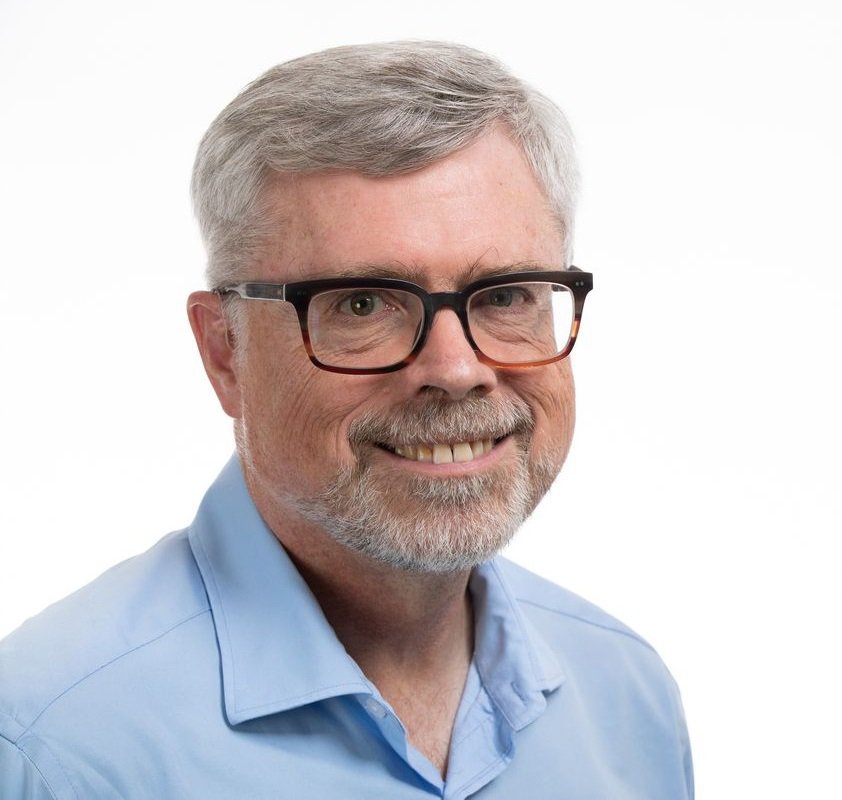
Dr. Terry Klassen
Knowledge Mobilization and Synthesis Co-Lead
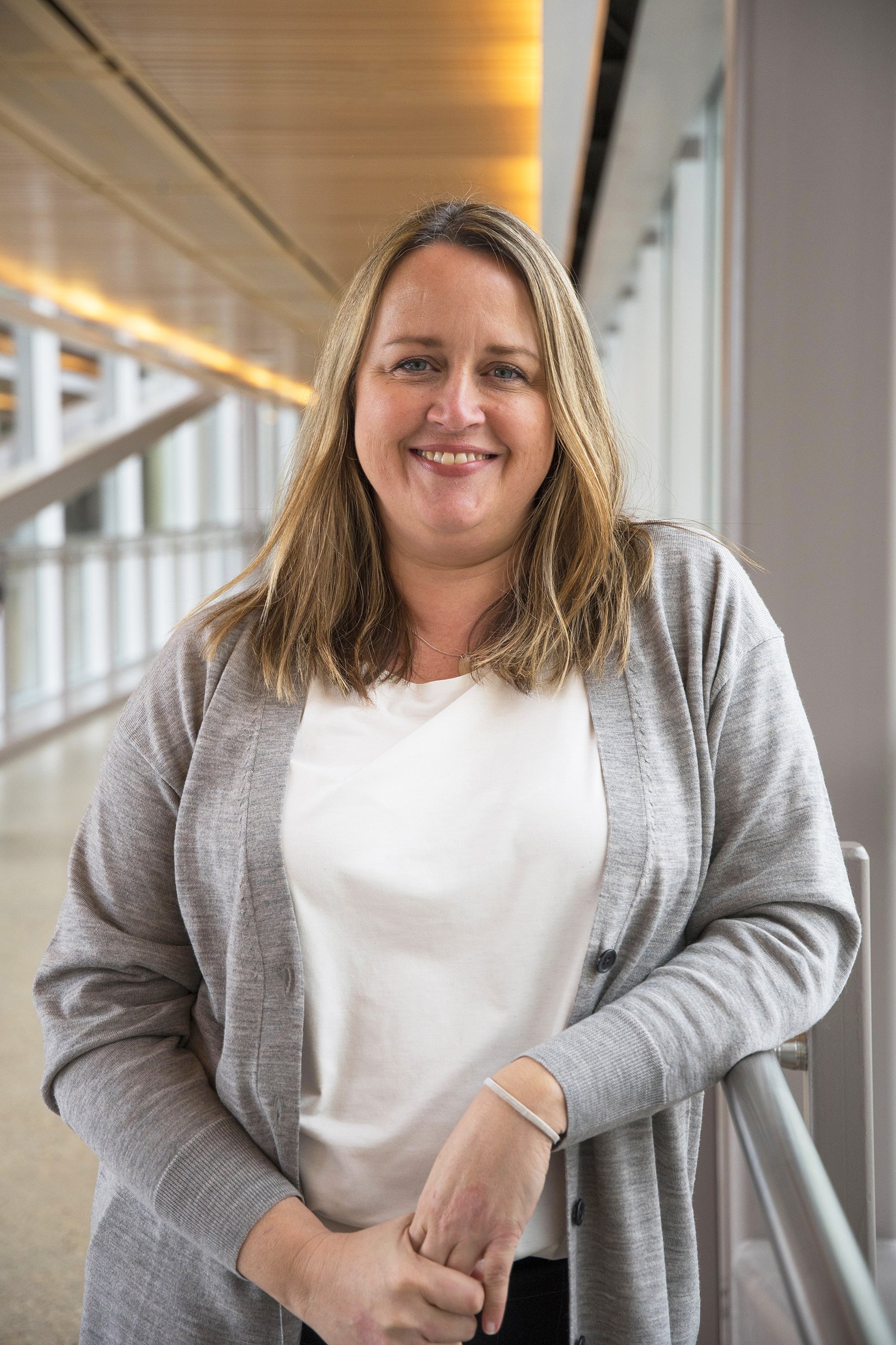
Dr. Lisa Knisley
Knowledge Mobilization and Synthesis Co-Lead
Training and Mentorship
RareKids-CAN’s Training and Mentorship team supports Strategic Priority 1 , with a particular focus on Key Initiative 1.1: Academic Leadership, Guidance & Training by developing educational and mentorship opportunities that strengthen capacity for high-quality pediatric rare disease clinical trials. Through webinars, resources, training awards, and its partnership with IMPaCT, the team provides emerging investigators with structured mentorship, practical learning, and access to clinical trial training across career stages.
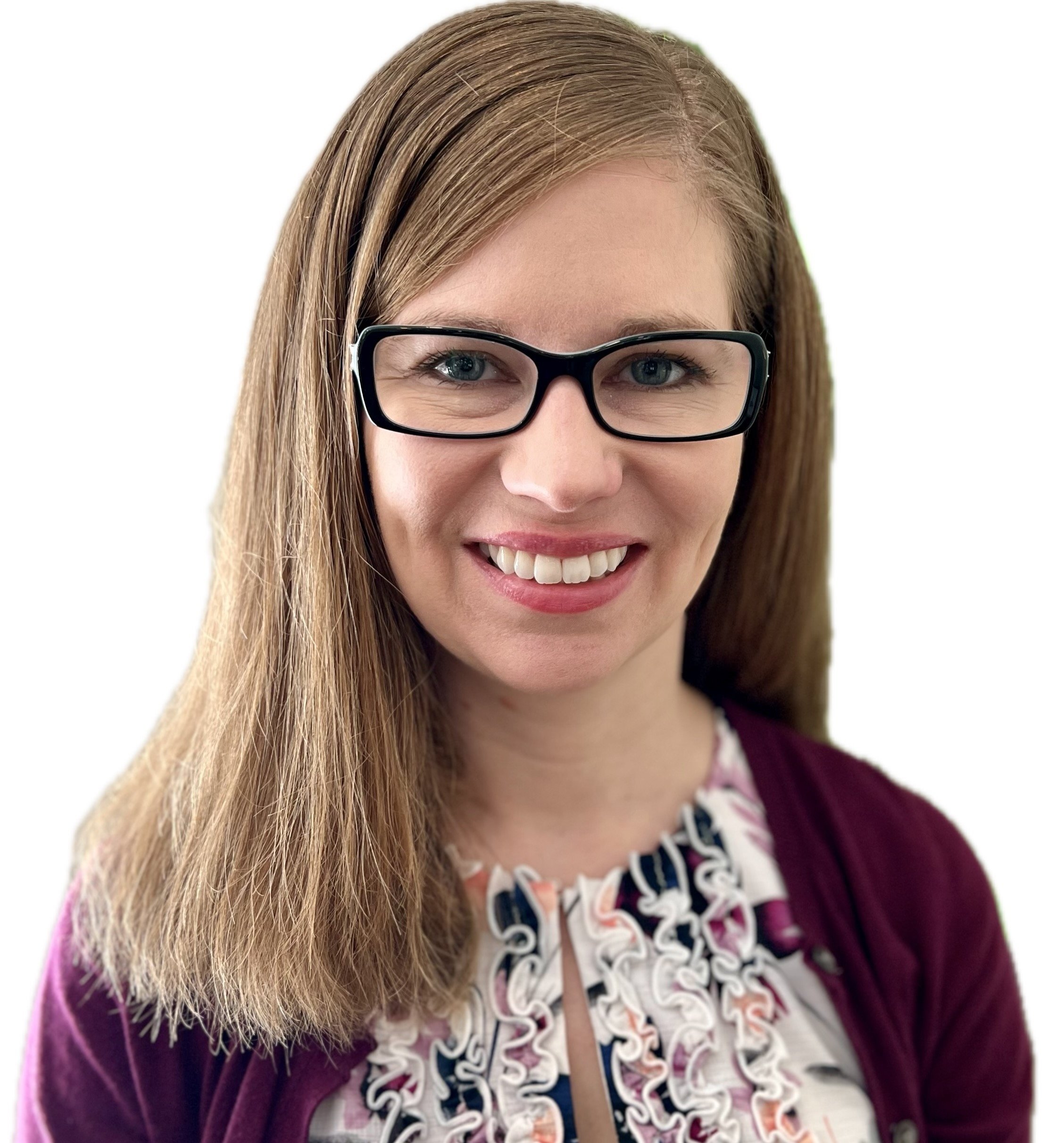
Dr. Nancy Butcher
Training and Mentorship Co-Lead
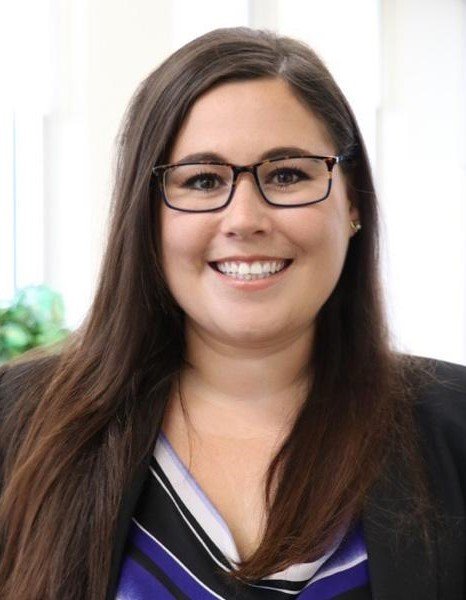
Dr. Lauren Kelly
Training and Mentorship Co-Lead
Expertise and Innovation
Biostatistical Methods
RareKids-CAN’s Biostatistical Methods team supports Strategic Priority 1, with a particular focus on Key Initiative 1.1: Academic Leadership, Guidance and Training by providing statistical expertise for pediatric rare disease clinical trials. The team provides tailored consultations to support the development of high-quality pediatric rare disease clinical trials, including study design, sample size considerations, statistical analysis planning, and interpretation of results. They are also developing a searchable database of pediatric rare disease trial protocols and reports.
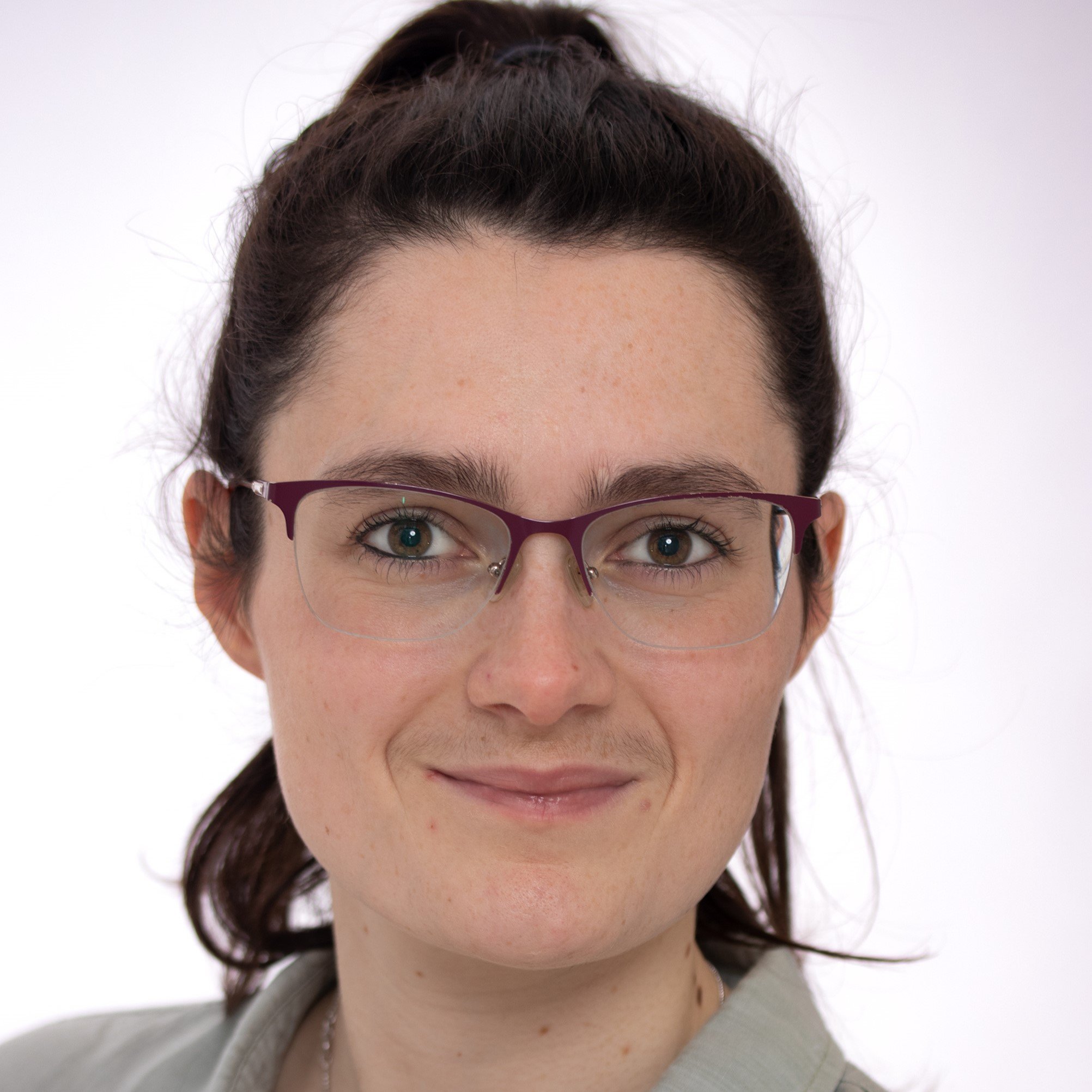
Dr. Anna Heath
Biostatistical Methods Co-Lead
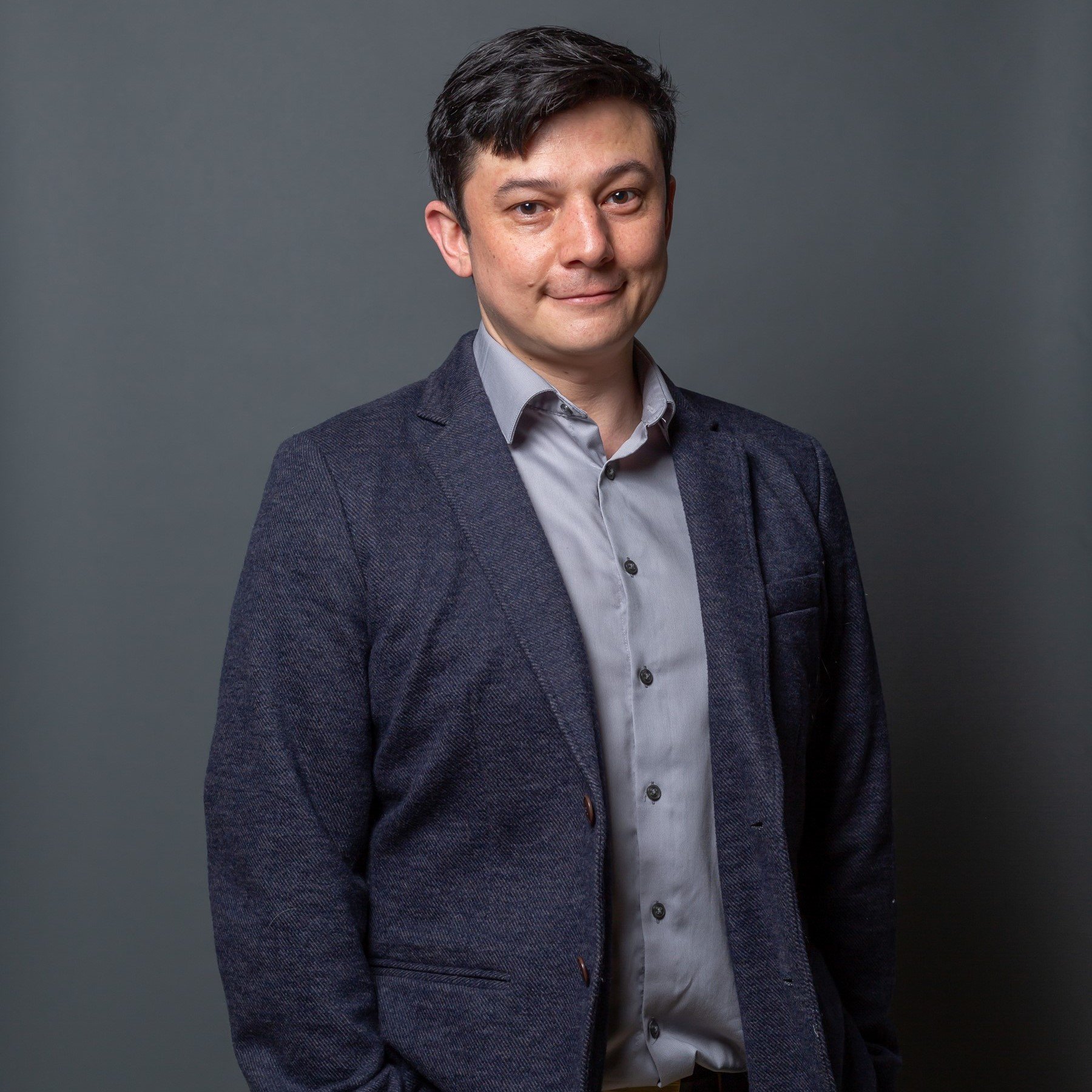
Dr. Chris Gravel
Biostatistical Methods Co-Lead
Methods and Design
RareKids-CAN’s Design and Methods team advances Strategic Priority 1, particularly Key Initiative 1.1: Academic Leadership, Guidance and Training, by supporting meaningful, feasible, and fit-for-purpose outcomes in pediatric rare disease clinical trials. Through consultations, the team helps investigators identify appropriate outcome domains and measurement tools, refine study designs. The team also develops practical tools, guidance, and educational resources to support researchers, patients, and families in understanding and contributing to high-quality outcome selection.
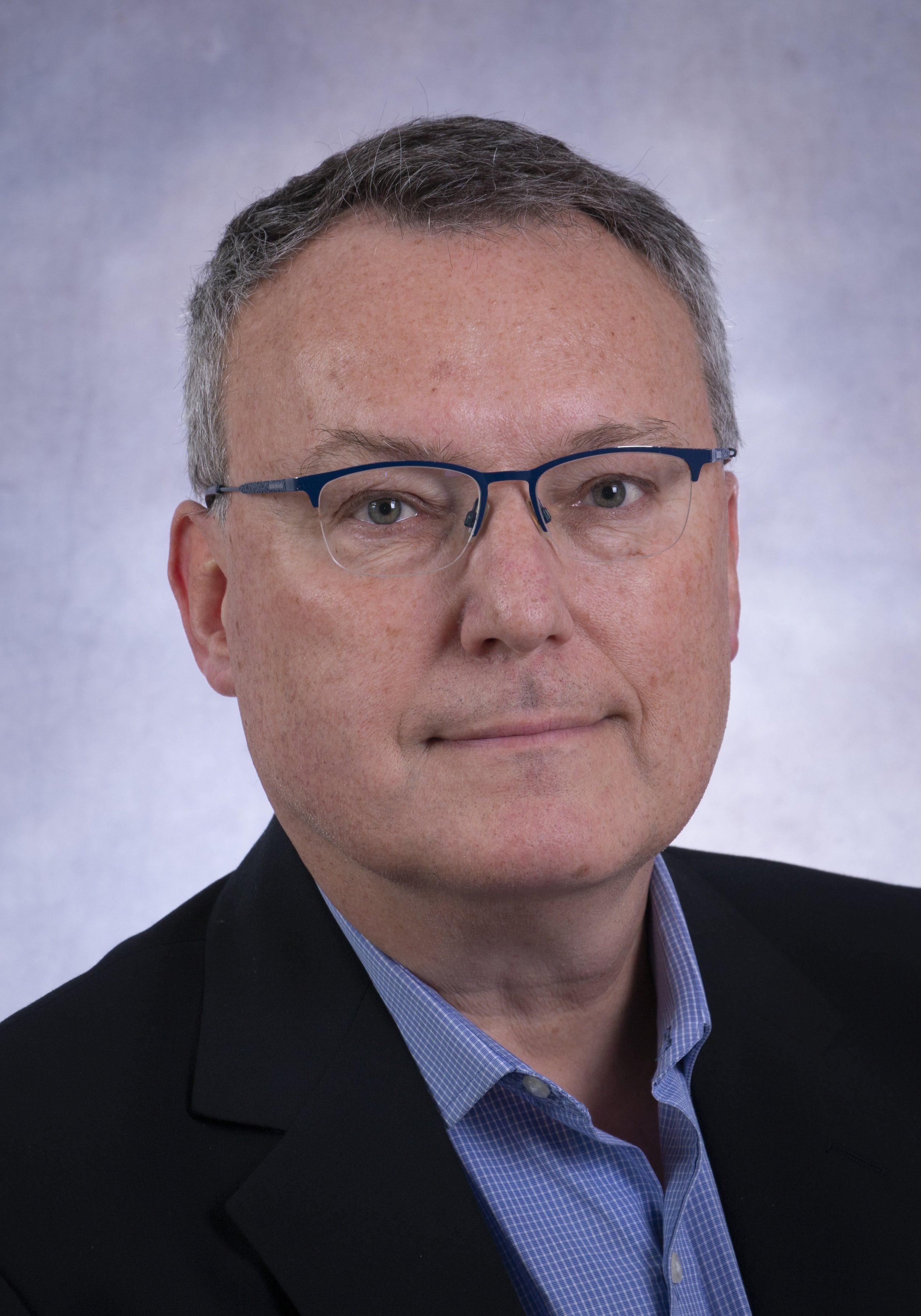
Dr. Martin Offringa
Methods & Design Lead
Pharmacology
RareKids-CAN’s Pharmacology, Pharmacogenomics and Translational Pharmacometrics team advances Strategic Priority 1, through Key Initiative 1.1: Academic Leadership, Guidance and Training and Key Initiative 1.2: ATMP training material and Standard Operating Procedures (SOPs).
The team provides individualized consultations for pediatric rare disease clinical trials, offering expertise in dose selection, pharmacokinetics, pharmacogenomics, and pharmacometrics, strengthening study design and treatment optimization. They also develop accessible ATMP educational resources for patients, families, and researchers that explain how therapies work, how they are processed in the body, and how safety is assessed, helping support informed participation in research and treatment decisions .
Dr. Tamorah Lewis
Pharmacology Co-Lead

Michelle Wang
Pharmacology Co-Lead
Inclusivity and Lifespan Engagement
Patient & Family Engagement
RareKids-CAN’s Patient and Family Engagement team supports the entire network across all three strategic priorities, helping ensure that the perspectives, experiences, and priorities of patients and families are meaningfully reflected in RareKids-CAN’s activities, resources, and decision-making.
The team fosters collaboration between researchers, patients, and families and supports a range of engagement opportunities, from short-term consultations to long-term partnerships within research teams and network initiatives. Informed by both professional expertise and lived experience, the team also builds capacity, strengthens community, and promotes meaningful, inclusive patient and family partnership across RareKids-CAN.
Dr. Andrea Cross
Patient & Family Engagement Co-Lead
Sara Pot
Patient & Family Engagement Co-Lead
Alicia Hilderley
Patient & Family Engagement Co-Lead
Indigeneity and Equity Diversity and Inclusion (EDI) Committee
RareKids-CAN advances equity and inclusion through its Indigeneity team and EDI Committee. The Indigeneity team leads Indigenous engagement, cultural safety, and data governance, with guidance from the Indigenous Community Guiding Circle.
The EDI Committee focuses more broadly on EDI across the network. Its work includes identifying barriers faced by equity-deserving groups, supporting inclusive trial design and recruitment, advancing translation and accessibility supports, strengthening demographic data collection, and developing guidance and education for researchers and network members.
Collectively, these two groups help ensure that RareKids-CAN’s initiatives, governance, and clinical trial activities are more inclusive, culturally responsive, and equitable for the diverse communities the network serves.
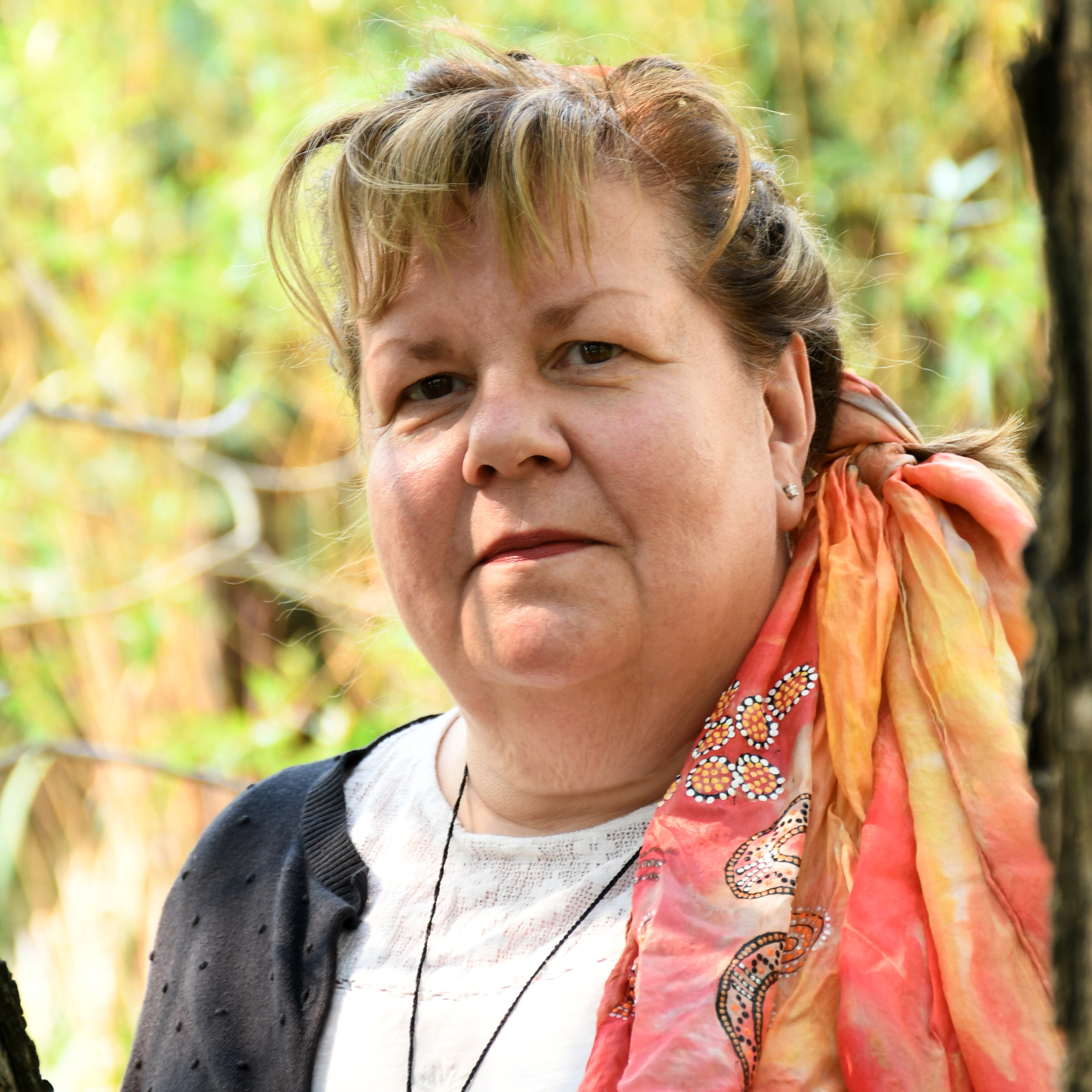
Dr. Alexandra King
Indigeneity Co-Lead

Dr. Malcolm King
Indigeneity Co-Lead

Dr. Ashish Marwaha
EDI Lead
Sex and Gender
RareKids-CAN’s Sex and Gender team contributes primarily to Strategic Priority 1, through Key Initiative 1.1: Academic Leadership, Guidance and Training. The team works to strengthen the integration of Sex- and Gender-Based Analysis Plus (SGBA+) in pediatric rare disease clinical trials by examining current practices, identifying unmet needs for investigators and participants, and developing practical guidance and consultation support to help trial teams incorporate SGBA+ into study design, conduct, and analysis.
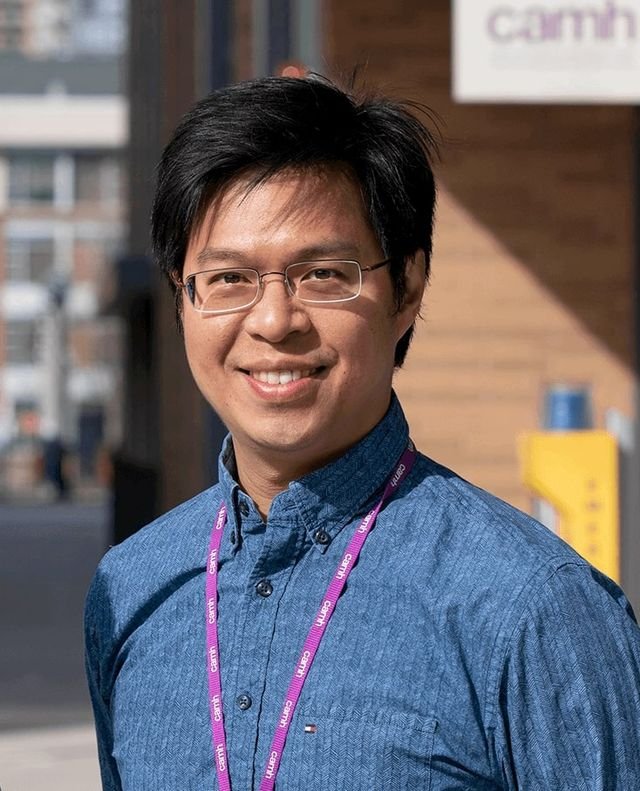
Dr. Meng-Chuan Lai
Sex & Gender Lead
Transition to Adulthood
RareKids-CAN’s Transition to Adulthood team contributes primarily to Strategic Priority 1, through Key Initiative 1.1: Academic Leadership, Guidance and Training. The team works with youth and caregivers to better understand the unique challenges faced by adolescents and young adults with rare diseases as they transition from pediatric to adult care and participate in clinical trials.
The team also develops guidance and consultation resources for researchers, industry, and government to support the inclusion, participation, and retention of adolescents and young adults with rare diseases in clinical research, while promoting thoughtful transitions between pediatric and adult care environments.
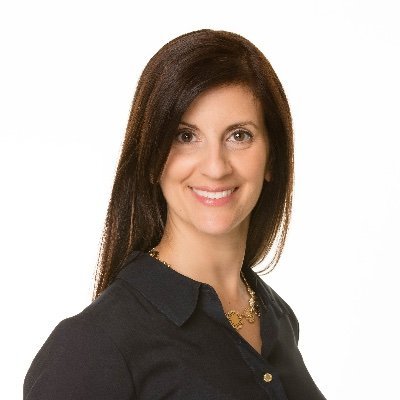
Dr. Michelle Batthish
Transition to Adulthood Lead
IT and Data Science
Data Coordinating Centre
RareKids-CAN’s Data Coordinating Centre (DCC) team supports Strategic Priority 1 and 2, including Key Initiative 1.5: Centralized supports for ATMPs trials and Key Initiative 2.1: Trial matching & patient identification. The DCC provides centralized infrastructure and operational support for pediatric rare disease trials through a validated REDCap environment hosted by WCHRI. Services span database development, randomization, data and safety monitoring, enrolment reporting, quality assurance, adverse event coding, interim and safety reporting, data cleaning, and database closeout.
The DCC also collaborates with the Real World Data team on long-term outcome tracking through data linkage. Additionally, they are exploring privacy-preserving AI approaches to de-identify unstructured clinical documents, enabling broader data use while protecting participant privacy.
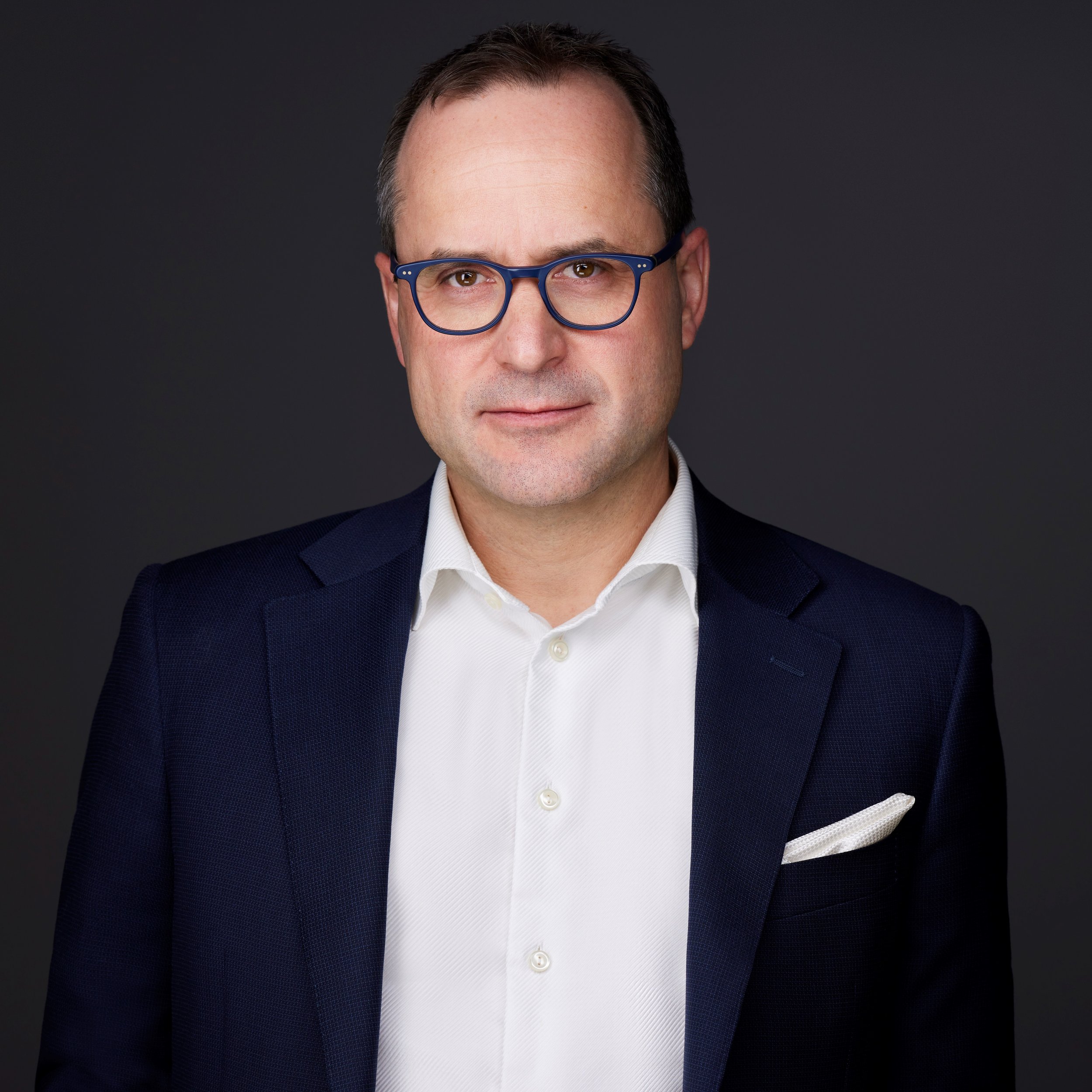
Dr. Lawrence Richer
Data Coordinating Centre Lead
Real World Data
RareKids-CAN’s Real-World Data (RWD) Team supports Strategic Priority 1 and 2, including Key Initiative 1.1: Academic leadership, guidance & training initiative, Key Initiative 2.1: Trial matching & patient identification and Key Initiative 2.2: Registry Development Support.
The team works to strengthen how real-world data are identified, connected, standardized, and used to support pediatric rare disease clinical trials, patient identification, long-term follow-up, and evidence generation. Key areas of work include developing and maintaining searchable, living inventories of pediatric rare disease clinical trials and existing rare disease registries; and exploring approaches to identify patients with rare diseases using structured and unstructured health data. The team also works with registry partners to develop shared data standards, minimum datasets, interoperability approaches, and data linkages across registries, hospitals, and administrative health data sources.
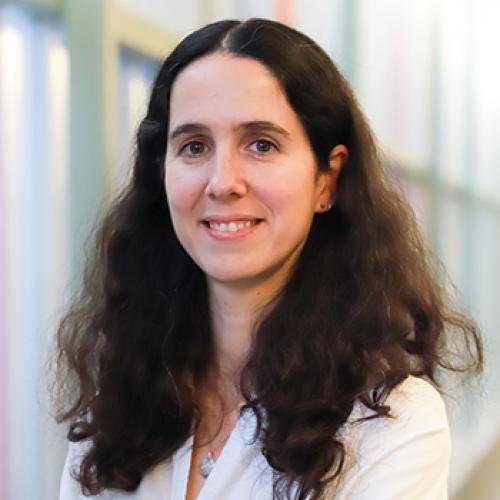
Dr. Elodie Portales-Casamar
Real World Data Lead
Registry
RareKids-CAN’s Registry team advances Strategic Priority 1 and 2, in particular, Key Initiative 1.1: Academic leadership, guidance & training initiative, Key Initiative, Key Initiative 2.1: Trial matching & patient identification and Key Initiative 2.2: Registry Development Support.
The team strengthens pediatric rare disease registry infrastructure and supports trial readiness, feasibility, participant identification, and long-term evidence generation through searchable trial inventories, centralized feasibility tools, patient and family resources, and registry development guidance. The team also provides individualized consultations to investigators developing longitudinal registries that can help identify potential participants for emerging therapies, support external control data for single-arm trials, enable registry-based clinical trials, and generate post-trial real-world evidence to inform health technology assessment and reimbursement decision-making.

Dr. Beth Potter
Registry Lead
Regulatory Affairs and Strategic Partnership
Health Canada Relations and Advocacy
RareKids-CAN’s Health Canada Relations and Advocacy team supports Strategic Priority 3, in particular, Key Initiative 3.1: Regulatory Pathways. In partnership with the SickKids Child Health Policy Accelerator, the team leads a national Community of Practice on Advancing Pediatric Regulatory Reform, bringing together clinical trialists, regulatory experts, policy leaders, and patient and family partners from across Canada.
The team works to identify and address regulatory barriers that make pediatric clinical trials more complex, costly, and difficult to launch, while also limiting timely access to innovative therapies. Through policy development, consultation responses, stakeholder engagement, and direct dialogue with Health Canada, the Sub-Platform advocates for a more modern, efficient, and internationally aligned regulatory framework that better supports pediatric research and improves access to emerging treatments for children and families.

Dr. Charlotte Moore-Hepburn
Health Canada Relations and Advocacy Lead
Health Economics, Health Technology Assessment and Reimbursement
RareKids-CAN’s Health Technology Assessment (HTA) and Health Economics (HE) teams work together to strengthen access to pediatric rare disease therapies.
The HTA team supports Strategic Priority 1 and 2, in particular, Key Initiative 1.1: Academic leadership, guidance & training initiative by developing educational resources, tools, and webinars that build capacity for patients, families, clinicians, and researchers to understand and participate in HTA and evidence-based decision-making. The team also supports navigation of post-market access pathways and incorporation of pediatric evidence and lived experience into HTA processes.
The HE team contributes economic expertise to HTA activities and Strategic Priority 3, specifically, Key Initiative 3.3: Access pathways for therapies unfit for commercialization, exploring sustainable reimbursement pathways, outcome-based agreements, and methods to assess quality of life and value in pediatric rare disease populations.
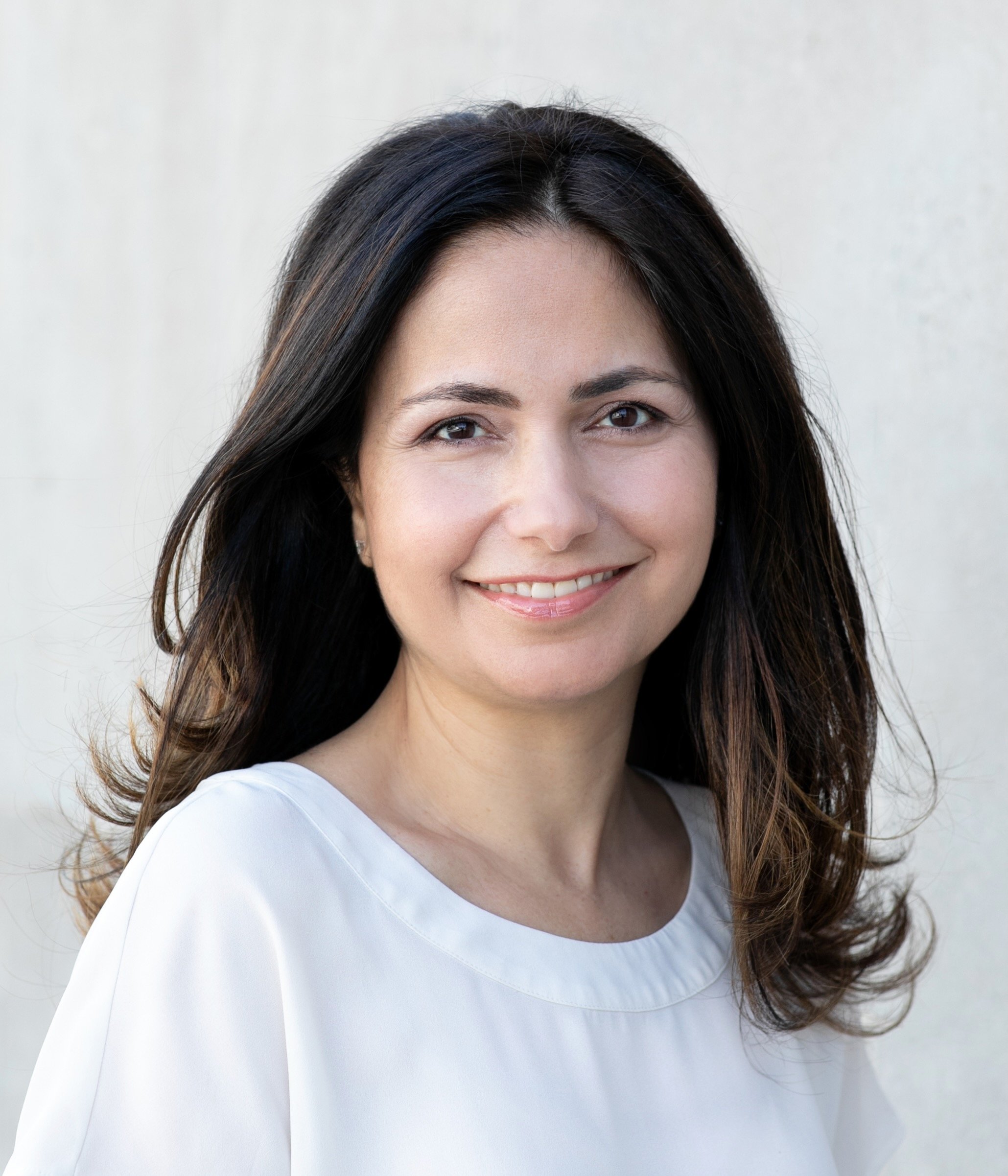
Dr. Maryam Oskoui
Health Economics, Health Technology Assessment & Reimbursement Co-Lead

Dr. Jeff Round
Health Economics, Health Technology Assessment & Reimbursement Co-Lead
Sustainability and Business Development
RareKids-CAN’s Business Development and Sustainability team strengthens network-wide financial sustainability, partnerships, and growth. The team develops sustainable fee-for-service models, builds relationships with industry, funders, and government, supports grant development, and advances international collaborations. It also facilitates investigator and site identification and engages federal and provincial partners to support future investment and expansion.

Dr. Thierry Lacaze-Masmonteil
Sustainability and Business Development Lead